Plan your visit to Plitvice Lakes National Park: Tips, locations & timings

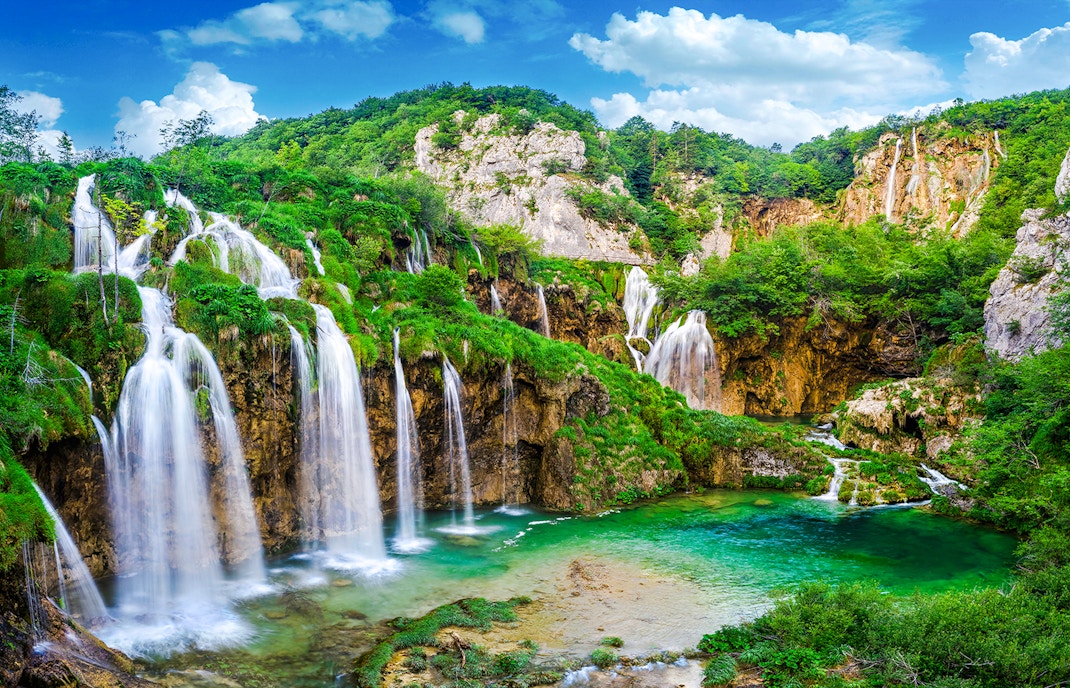
Plitvice Lakes National Park is Croatia's most iconic natural attraction, known for its 16 turquoise lakes, over 90 waterfalls, forested hiking trails, and clear, interconnected water bodies. Whether you’re planning a short day trip or a planned nature escape, this guide will help you plan every detail—from ticket options and top attractions to entrance logistics, travel tips, accommodations, and more.

Where is Plitvice Lakes National Park located?

Plitvice Lakes National Park is located in central Croatia, between the cities of Zagreb and Zadar. It lies near the border with Bosnia and Herzegovina, nestled in a forested karst region known for its waterfalls, turquoise lakes, and rugged natural beauty. The nearest town is Plitvička Jezera, with the closest major roads being the D1 and E71 highways.

  • Address: Josipa Jovića 19, 53231 Plitvička Jezera, Croatia
  • Driving Time:
    • From Zagreb: 2 hours
    • From Zadar: 1.5 hours
    • From Split: 2.5–3 hours

Plitvice Lakes National Park opening hours

Plitvice Lakes National Park Tour from Split

Plitvice Lakes National Park is open year-round, but hours vary seasonally.

  • November to March: 8am to 4pm
  • April to May: 7am to 7pm
  • June to August: 7am to 8pm
  • September to October: 7am to 7pm
  • Closure: The national park is open on all days of the year. However, the Upper Lakes are closed to visitors during winter and open again only in April.
Explore Plitvice Lakes timings

Best time to visit Plitvice National Park

Best time to visit

  • Spring (April to June) is an ideal time to visit as the waterfalls are at their fullest due to melting snow and spring rains. 
  • Summer (July and August) offers long daylight hours and warm weather, but it’s also the busiest time with high visitor numbers. Pre-booking is essential. 
  • Autumn (September to October) brings fewer crowds, cooler temperatures, and vibrant fall foliage, making it one of the most photogenic times. 
  • Winter (November to February) turns the park into a snowy wonderland, but some areas may be inaccessible due to ice.

Weekday vs. weekend

  • Weekdays are typically less crowded, offering a more tranquil and relaxed experience with better opportunities for uninterrupted photography and wildlife spotting. 
  • Weekends and public holidays tend to draw larger crowds, especially during summer and holiday seasons. If visiting on weekends, arrive early in the morning to enjoy the quieter trails.

How to get to Plitvice National Park

Location

  • The national park is located in central Croatia, nestled between the cities of Zagreb and Zadar. It is easily accessible by car or bus via the D1 highway, and it serves as a great midway stop for travelers moving between inland Croatia and the Adriatic coast. 
  • The closest villages are Plitvička Jezera and Rastovaca, which also offer accommodation options.

Distance from major attractions

  • Zagreb to Plitvice Lakes: 130 km (approx. 2 hours by car)
  • Split to Plitvice Lakes: 250 km (3.5 to 4 hours)
  • Zadar to Plitvice Lakes: 120 km (2 hours)
  • Blue Cave / Blue Lagoon: 250–270 km (approx. 4–4.5 hours)
  • Krka National Park: 115 km (about 1 hour 45 minutes)
  • Rastoke Village: 35 km (30–40 minutes)

Getting to Plitvice Lakes National Park

Getting there

  • You can reach the park by car, public bus, or guided tour. Direct buses run daily from Zagreb, Zadar, and Split, stopping at the Plitvice Jezera bus station located near Entrance 1(North). 
  • Self-drivers will find well-maintained highways and ample paid parking near both main entrances. 
  • Guided day tours offer the convenience of transfers and structured itineraries covering most of the park.

Things to know before you visit Plitvice National Park

Couple enjoying coffee and croissants.
  • Park restaurants at Entrances 1 and 2: Both main entrances offer casual restaurants where you can enjoy traditional Croatian dishes, hot meals, and drinks. 
  • Cafeterias: Smaller kiosks and cafés can be found at popular junctions like P1 (Kozjak boat terminal) and the Upper Lakes trailheads. They offer sandwiches, snacks, coffee, and drinks—convenient for quick bites during your park visit.
  • Picnic zones: If you prefer to bring your food, there are designated picnic areas within the park. These shaded spots include benches and tables and are great for a relaxing break. 
  • Local restaurants: Outside the park, nearby villages like Jezerce and Smoljanac offer traditional inns and farm-to-table restaurants. Expect home-style meals with local cheese, cured meats, grilled trout, and strukli (cheese-filled pastry). 
Stay options near Plitvice lakes
  • Hotel Jezero (Inside Park Grounds): Located just a few minutes walk from Entrance 2, Hotel Jezero is the only accommodation within the park itself. It offers comfortable rooms, a restaurant, wellness facilities, and unbeatable access to the Upper Lakes.
  • Plitvice Ethno House and Etno Garden Apartments: These charming guesthouses offer rustic yet modern stays close to the park. Set in a natural setting with wooden cottages and mountain views, they’re perfect for couples or small families. 
  • Budget and family-friendly options: House Boro, Villa Knezevic, and House Jelena are popular budget options offering clean, cozy rooms with friendly local hosts. These are excellent choices for travelers seeking an affordable yet convenient stay.
  • Camping: Camp Korana and Camp Plitvice provide camping pitches, mobile homes, and bungalows. They are well-equipped with modern amenities, on-site restaurants, and shuttle services to the park entrances. 
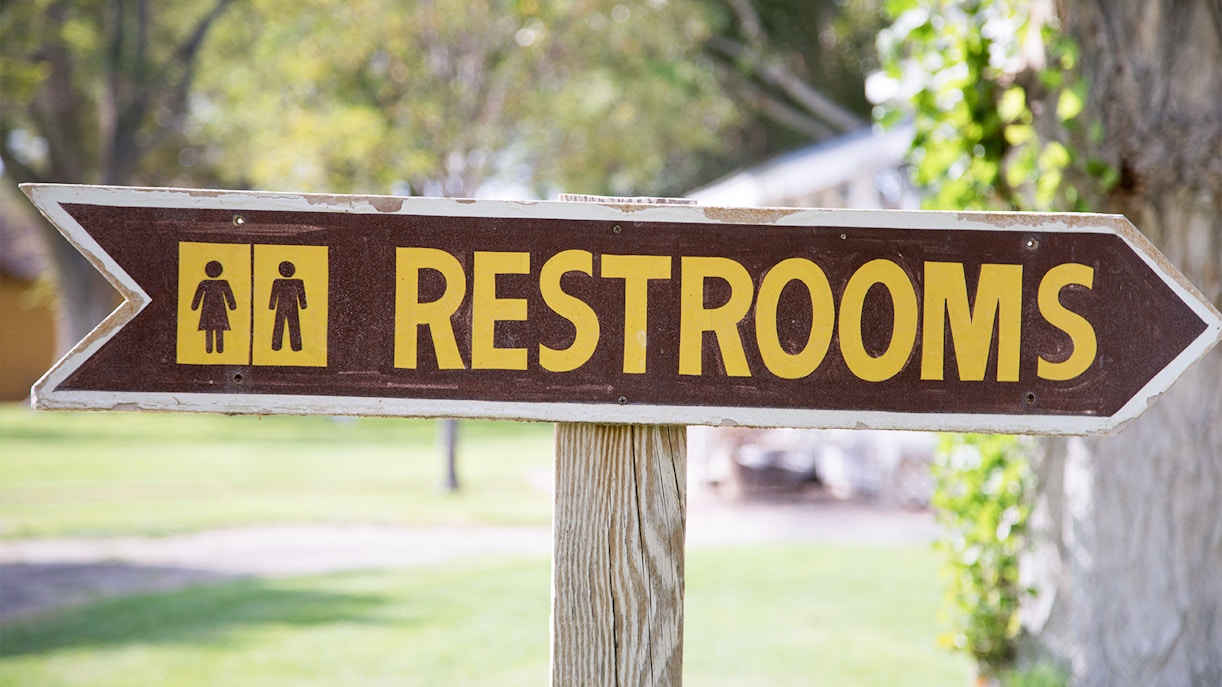
Outdoor restroom sign with directional arrow.
  • Wheelchair: While the park has made efforts to improve accessibility, many areas—especially the wooden boardwalks—remain challenging for wheelchair users. Some flat, gravel paths near Entrance 1 and the Kozjak ferry point are suitable for strollers and wheelchairs with assistance. Accessible restrooms are located at both main entrances.
  • Restrooms and baby-changing stations: Restrooms are located at Entrances 1 and 2, near key ferry points, and in picnic areas. Baby changing facilities are also available at the entrances, making the park family-friendly for visitors with infants.
  • Pet and service animals: Pets are not allowed in the park, or on electric boats or panoramic trains. Certified service animals are an exception and can accompany you across all accessible areas of the park.
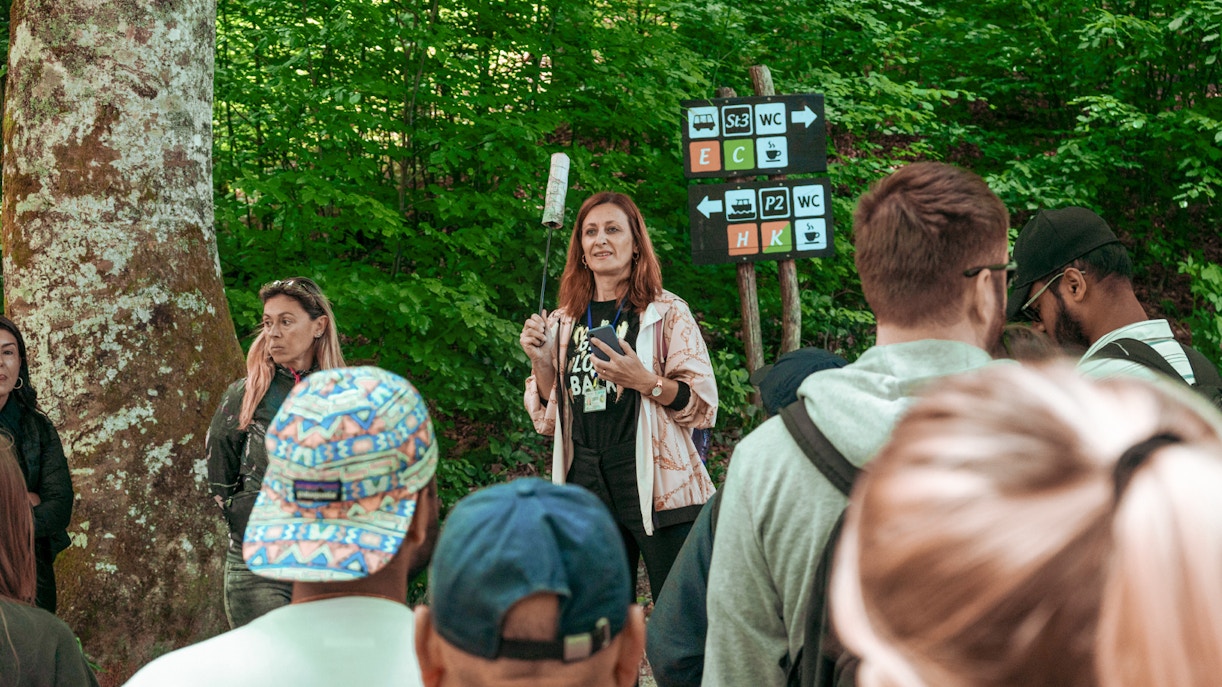
Group tour at Plitvice Lakes National Park, Croatia, with guide in wooded area.
  • Park rules: Plitvice Lakes National Park is a protected UNESCO World Heritage Site, and visitors are expected to follow strict conservation rules. Swimming, diving, and fishing are strictly prohibited in all lakes and waterfalls. Drones and other unmanned aerial vehicles are also banned to preserve the park’s peace and protect wildlife habitats.
  • Dress for comfort and weather: Weather in Plitvice can change quickly, so dress in layers and wear moisture-wicking clothes that keep you warm when needed. Comfortable, waterproof hiking shoes are a must, as many paths can be slippery, especially near waterfalls or during the early morning dew. In summer, carry a hat and sunscreen; in winter, gloves and thermal wear may be needed.
  • Packing essentials: Besides comfortable clothing, be sure to bring water bottles (refill points are available), energy bars, a map or offline GPS app, and a power bank. While a mobile signal is available in most areas, coverage may drop in deeper forest trails or near waterfalls.

Frequently asked questions about visiting Plitvice National Park

The basic Plitvice Lakes National Park ticket includes access to all trails, boardwalks, the electric boat ride across Lake Kozjak, and the panoramic train ride.

More Reads

How to get to Plitvice Lakes National Park

Plitvice Lakes National Park Opening Hours

Plitvice Lakes National Park Waterfalls