Quick Information

Plan your visit

What to see at Plitvice Lakes National Park
The Lakes
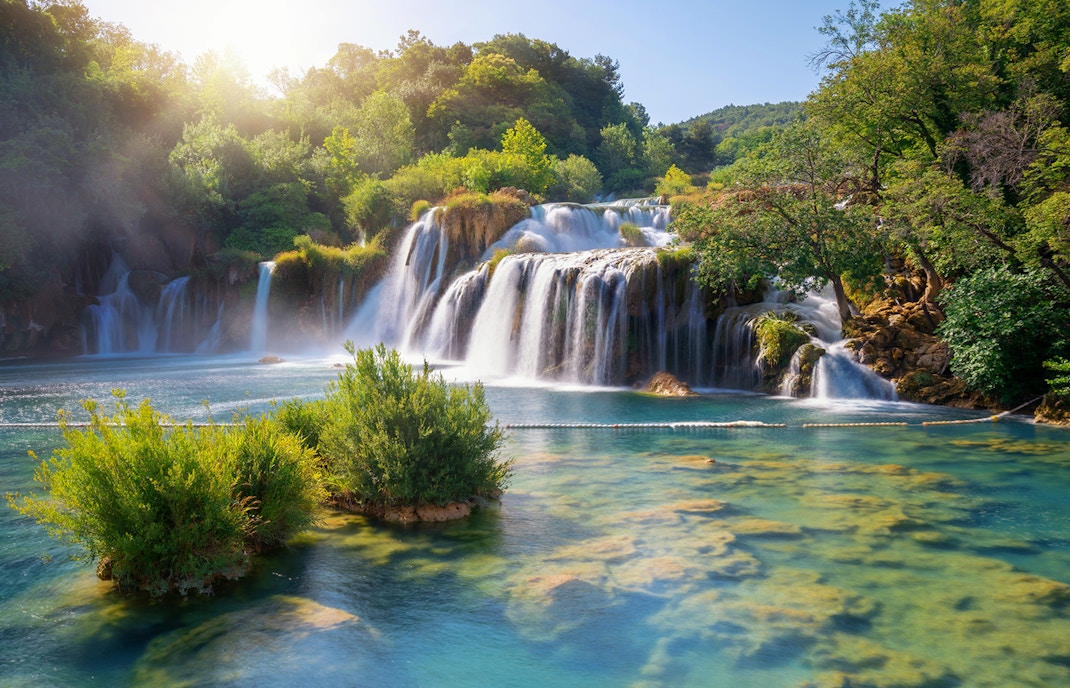
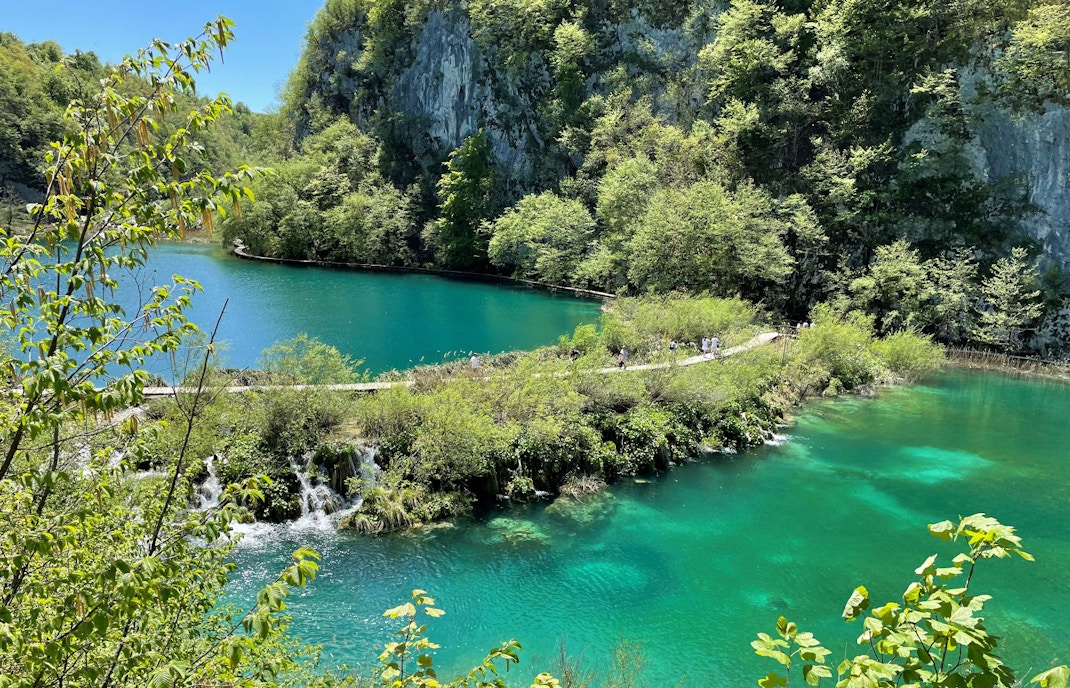
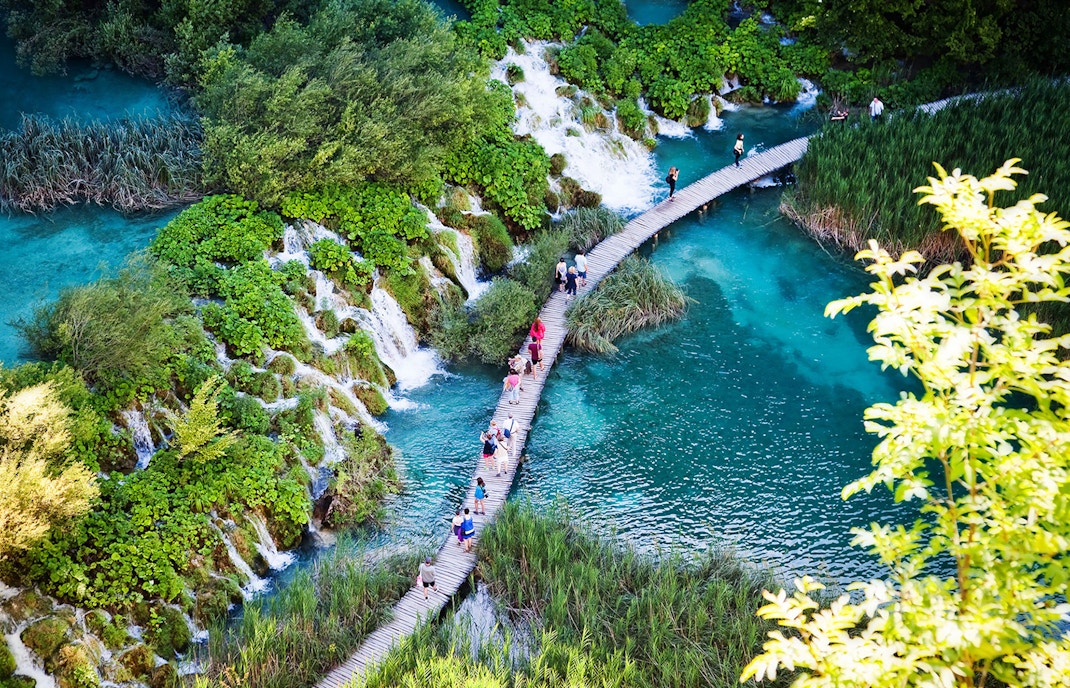
The 16 lakes of Plitvice Lakes National Park were formed due to thousands of years of geological activity. They are renowned for their beautiful crystal waters in a variety of blue and green shades, from turquoise to emerald and teal. The 12 Upper Lakes are larger and deeper than the four Lower Lakes. The panoramic train and boat rides in the national park, as well as the various walking and hiking trails, provide unparalleled scenic views of the lakes.

The Waterfalls

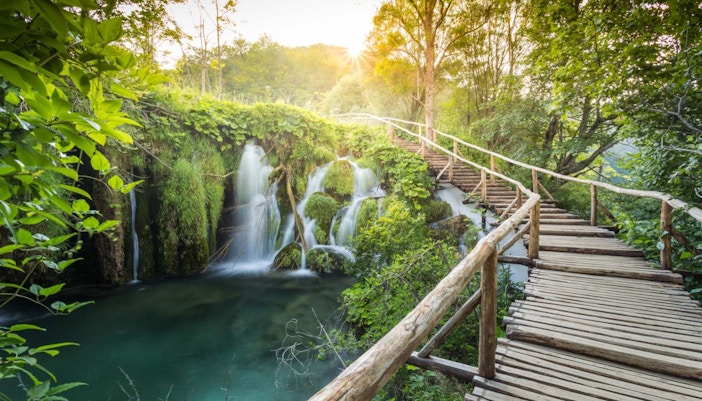
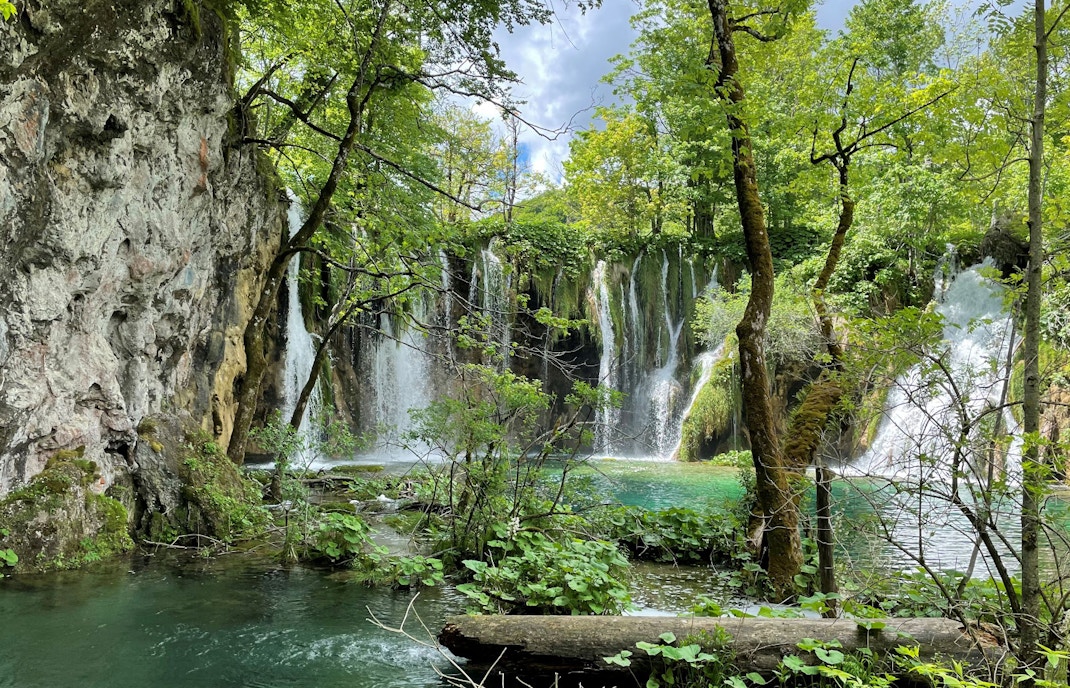
Plitvice Lakes National Park is renowned for its breathtaking cascades and waterfalls. With around 90 waterfalls in the Plitvice Lakes area, they are among the most photographed features in the national park. Visitors can access the falls via walking and hiking trails. Some must-see examples include Veliki Slap (great waterfall), Sastavci waterfalls, and the Mali Buk waterfall.
Plitvice Lakes Waterfalls

The Caves

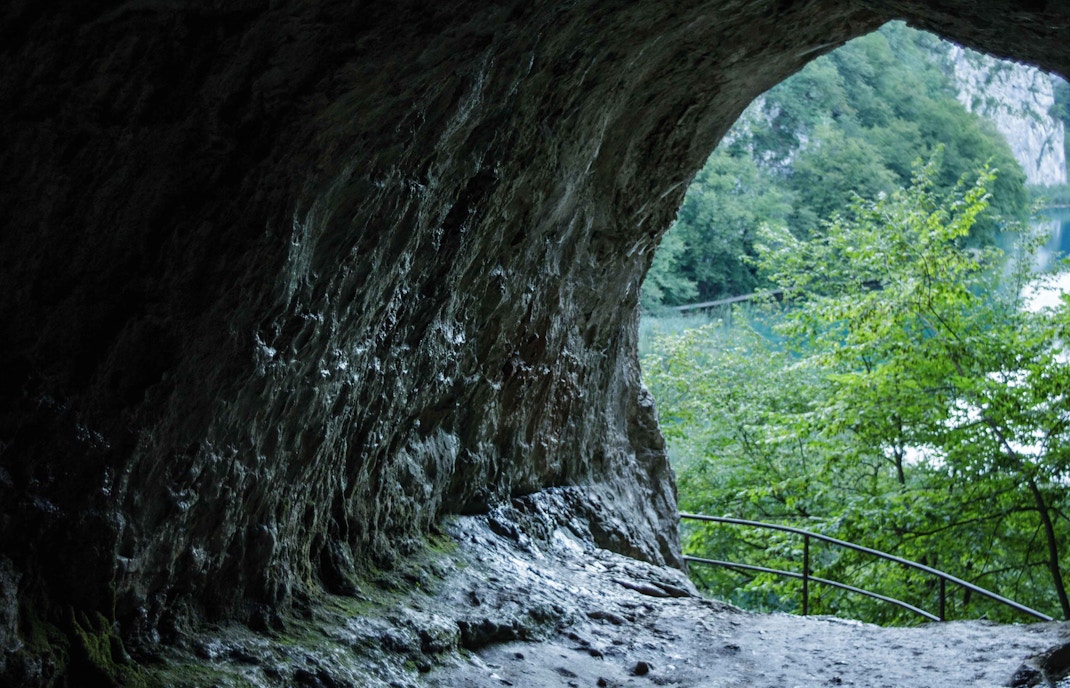
Within the karst landscape of Plitvice Lakes National Park lie several remarkable caves, such as Šupljara Cave, Kozjačka draga cave, and Čudinka pećina cave. These caves have been sculpted by the gradual dissolution of limestone rock, and they feature formations like stalactites, stalagmites, and subterranean rivers. They provide valuable insights into the national park’s subterranean hydrogeological systems.
The Biodiversity

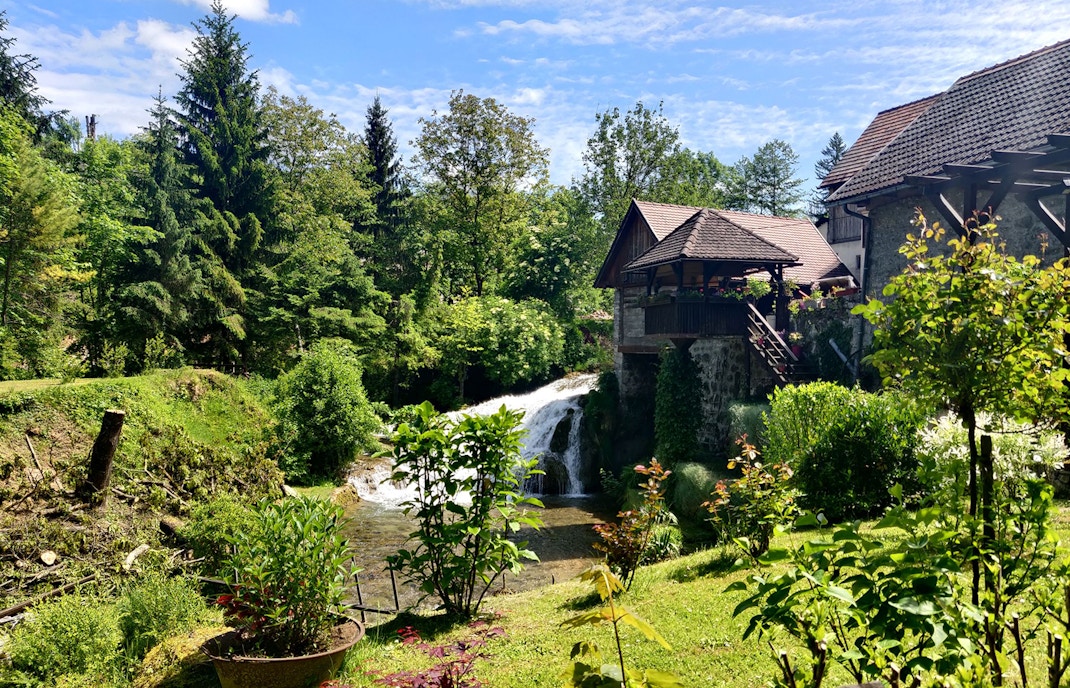
Due to successful conservation efforts, Plitvice Lakes National Park is rich in flora and fauna, and is home to numerous plant and animal species, including 50 mammal species and over 160 bird species. Its lush forests comprise Alpine and Mediterranean vegetation, and include beech, spruce, and fir trees. It is also a haven for wildlife, with several large animals such as bears, wolves, lynx, deer, and several bird species.
Why Plitvice Lakes National Park is a must-visit attraction in Croatia

  • UNESCO World Heritage Site: Recognized as a UNESCO World Heritage Site in 1979, Plitvice Lakes National Park boasts exceptional natural beauty and ecological diversity.
  • Unique karst landscape: The national park showcases a karst landscape characterized by limestone formations, and caves, offering a remarkable geological experience.
  • Crystal-clear waters: The park’s pristine lakes are famous for their crystal-clear waters in many shades of blue and green, which allow visitors to see the vibrant aquatic life and submerged vegetation.
  • Year-round beauty: The national park offers visitors different experiences no matter when they visit. The park’s scenic vistas change with the seasons from autumn foliage to a snowy winter wonderland, spring freshness, and lush summer vegetation.

Book Plitvice Lakes National Park tickets

Plan your visit to Plitvice Lakes National Park

Opening Hours

General Timings:

  • November to March: 8am to 4pm
  • April to May: 7am to 7pm
  • June to August: 7am to 8pm
  • September to October: 7am to 7pm

Closed: Plitvice Lakes National Park is open 365 days a year. However, the opening and closing hours vary depending on the season.

Best time to visit Plitvice Lakes National Park

Location

Address: Znanstveno - stručni centar “Dr. Ivo Pevalek” | HR 53231 Plitvička Jezera |

Find on Maps

Plitvice Lakes National Park is located on the D1 national highway in Croatia’s Lika-Senj and Karlovac counties, close to the border with Bosnia and Herzegovina. Visitors can arrive at the national park by bus or by car.

How to get to Plitvice Lakes National Park

Frequently asked questions about Plitvice Lakes National Park

Plitvice Lakes is Croatia’s oldest and largest national park as well as a UNESCO World Heritage site. It is renowned for its natural wonders, which include unique geological and hydrological landscapes, lakes, waterfalls, forests, and a rich variety of flora and fauna.

More reads

Plitvice Lakes National Park Opening Hours

Plan Your Visit to Plitvice National Park

How to get to Plitvice Lakes National Park